
Finding the best SIM providers for affordable mobile services is honestly a total vibe check for your wallet in 2026. We all know the struggle of paying way too much for data that barely loads your socials when you’re out and about. Whether you’re trying to stream 8K content on the go or just need enough bars to keep your discord server popping, picking the right carrier is a major move. With so many MVNOs and big-name providers flooding the market, it’s easy to get ghosted by hidden fees or trash coverage. I’ve been deep-diving into the 2026 connectivity landscape to help you secure that bag while staying connected 24/7 without catching an L on your monthly expenses.
Understanding Your Data Habits

Before you commit to a plan, you really need to be real with yourself about how much data you actually burn through. Are you a heavy user who is constantly doomscrolling, or are you mostly chilling on Wi-Fi at home or the library? If you’re constantly uploading high-res content, you’ll definitely need an unlimited plan that doesn’t throttle your speed after a certain gigabyte threshold. Checking your settings for a breakdown of your usage is a major flex for your budget. Most people actually overestimate how much data they need, so stop paying for a massive bucket of GBs that you never even touch.
It’s also crucial to look at whether you need extras like international roaming or mobile hotspots. If your side hustle requires you to travel or work from coffee shops, a carrier that offers seamless hotspot tethering is non-negotiable. Some providers in 2026 are offering AI-driven data optimization that helps you stretch your cap further than ever before. Don’t just jump on the first “unlimited” deal you see because it might come with strings attached that make your connection feel like dial-up. Take ten minutes to track your actual usage patterns, and you’ll save enough cash to treat yourself to an iced coffee every single week.
The MVNO Advantage
If you haven’t heard of Mobile Virtual Network Operators, you’re low-key missing out on the best deal in the game. These providers don’t own their own towers; instead, they rent space from the big three carriers, which means you get that same premium 5G coverage for a fraction of the cost. It’s the ultimate cheat code for anyone tired of bloated contracts and legacy pricing. Because they don’t have the overhead of maintaining physical stores or massive marketing teams, they pass those massive savings directly to you. It’s honestly the move for anyone looking to optimize their finances without sacrificing quality or signal strength.
Some people get nervous that MVNOs have lower priority, but in 2026, the technology has evolved so much that you’d barely notice the difference in most urban areas. The biggest benefit is the flexibility. Most of these services operate on a month-to-month basis, meaning you can cancel or switch whenever you want without paying some ridiculous early termination fee. If you’re tired of being tied down to a carrier that doesn’t respect your grind, moving to an MVNO is the best way to reclaim your autonomy. Just make sure to check their coverage maps for your specific neighborhood before you switch over your SIM.
What to Look for in MVNOs
When you’re vetting these providers, always peek at their customer support reputation and their app interface. A clunky app is a major red flag that you’re going to have a bad time when you need to update your payment method or troubleshoot a connection error. You want a provider that offers a clean, user-friendly portal and responsive chat support. Also, check for “hidden” fees like activation charges or taxes that aren’t included in the advertised price. A solid MVNO will be transparent about their pricing structure and won’t try to gaslight you with surprise charges on your monthly bill. Trust your gut when reading reviews.
Comparison Table of 2026 Providers
| Feature | Premium Carrier | Budget MVNO | Prepaid Alternative |
|---|---|---|---|
| Network Access | Priority Data | Shared Bandwidth | Limited Access |
| Contract Type | 24-Month Binding | No Contract | Pay-As-You-Go |
| Average Price | $70 – $90/mo | $20 – $35/mo | $10 – $25/mo |
| Hotspot Data | Unlimited | 5GB – 15GB | None/Add-on |
| International | Included Global | Select Countries | Requires Credit |
| Customer Support | 24/7 In-Store | App/Chat Based | Automated Only |
Reddit & Expert Community Consensus
“Honestly, stop paying for the big brand names. I switched to a smaller carrier using the T-Mobile network and my coverage is identical, but my bill dropped by like $60 a month. Just make sure you check the coverage map for your area specifically, because some of these smaller guys are better in cities while others are better in the boonies. If you don’t need a new phone every year, there’s absolutely no reason to stay on those bloated legacy plans. Use the money you save to invest in a better device outright.” — User: TechSavvyGenZ on r/MobileNetworks
Coverage Maps are Key
Never trust a carrier’s marketing hype blindly; you have to look at the actual coverage maps. Just because a provider says they have “nationwide coverage” doesn’t mean you’ll get a signal in your bedroom or at your favorite hangout spot. Use tools like the FCC National Broadband Map to see what’s actually happening in your zip code. It’s super annoying to switch providers only to find out you’re living in a dead zone, so do your homework first. If you spend a lot of time in rural areas or commuting through tunnels, pay extra attention to the frequency bands supported by the carrier.
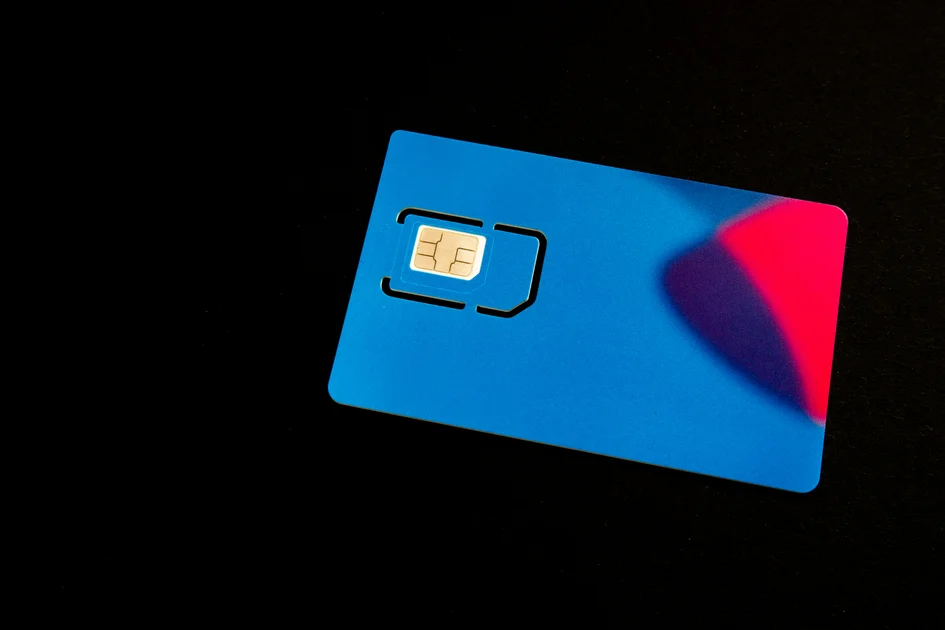
Some providers offer a trial SIM or a temporary number so you can test their network before you port your main number over. This is a total game-changer and honestly, you should prioritize providers that offer this. It removes all the risk from the switch and lets you verify the speeds for yourself. If a company doesn’t offer a trial period, look for their return policy on their SIM kits. Testing the network during your actual daily routine is the only way to know if it’s a match. Don’t sleep on this step, because a cheap plan is useless if you can’t get a signal.
Managing Your Device Compatibility
In 2026, most phones are unlocked, but you still need to ensure your device is compatible with the provider’s network technology. Most carriers have an IMEI checker on their website where you can plug in your device’s unique identifier to see if it’s compatible. It takes thirty seconds and saves you from a massive headache later. If you’re rocking an older phone, it might not support the latest 5G bands, which could impact your speeds even if you have a great plan. Understanding your phone’s hardware is just as important as choosing the right service provider for your specific needs.
If you find that your device is the limiting factor, it might be time to look into refurbished options rather than signing up for a three-year payment plan on a new flagship. Many providers now offer unlocked handsets at a discount, or you can check reputable sites like Back Market to find a better deal. Don’t let yourself get trapped in an ecosystem where you have to stay with a specific carrier just to pay off your phone. Financial freedom starts with owning your tech outright, and pairing an unlocked device with a cheap, reliable SIM plan is the ultimate power move for your wallet.
Key Takeaways
- Always check your actual data usage before picking a plan.
- MVNOs are the best way to get premium coverage for less.
- Use official coverage maps to verify signal in your specific area.
- Check your phone’s IMEI to ensure it works with the network.
- Look for providers that offer trial periods to test the signal.
- Avoid long-term contracts that lock you into high monthly fees.
Frequently Asked Questions
Is it really safe to switch to a smaller carrier?
Totally. Most smaller carriers operate on the same reliable towers as the big brands, so you get the same signal quality without the corporate overhead fees.
Will I lose my phone number if I switch?
Nope, you can port your number to almost any provider. Just keep your old account active until the transfer is complete to avoid any issues.
How do I know if my phone is unlocked?
You can check your settings under the network or general tabs, or call your current provider to ask if there are any locks on your device.
What happens if I go over my data limit?
It depends on the plan, but usually your speeds will just slow down, or you might get a small charge for extra data. Check your specific plan’s policy.
Can I use my own phone with a new SIM?
Yes, as long as it’s unlocked and compatible with the network’s frequency bands, you can just pop in a new SIM card and you’re good to go.
Conclusion
Choosing the best SIM provider in 2026 is all about cutting through the noise and finding what actually works for your lifestyle. By ditching the expensive, locked-in contracts and opting for flexible, high-quality alternatives, you’re setting yourself up for a much better financial situation. Remember to keep an eye on your data usage, verify coverage in your area, and make sure your tech is compatible before you pull the trigger. It’s a small effort that pays off big time in the long run. Stay connected, stay savvy, and keep your wallet happy while you grind toward your goals.