

Understanding 5G networks and their benefits is basically the ultimate cheat code for anyone tired of their phone buffering while they are trying to stream a high-def creator collab or join an impromptu gaming lobby. We are living in 2026, and if your connection is still acting like it is stuck in the dial-up era, you are honestly doing it wrong. This isn’t just about faster downloads for your memes; it is about the massive infrastructure shift that is powering everything from our smart home setups to the way we experience augmented reality on the go. Whether you are a hardcore gamer, a digital nomad, or just someone who hates waiting for a video to load, getting the lowdown on how this cellular tech actually works is a total vibe check for your tech stack.
How 5G Tech Actually Functions
At its core, 5G is the fifth generation of cellular mobile communications, and it is a complete glow-up from the 4G LTE systems we used to rely on back in the day. Instead of just relying on the typical low-band spectrum that travels long distances but feels kinda sluggish, 5G utilizes a mix of low, mid, and high-band spectrums—also known as millimeter wave or mmWave. This combination allows for a massive increase in data capacity and a huge reduction in latency, which is basically the delay between you clicking a button and the network actually responding. It is honestly like moving from a crowded bus to a private jet for your data packets.
The secret sauce here is something called network slicing, which allows providers to carve out specific parts of the network for different needs. For example, your autonomous vehicle needs super reliable, low-latency data to keep you safe, while your roommate streaming a 4K movie just needs massive bandwidth. By partitioning the network, 5G ensures that your critical apps never have to fight for space with someone just scrolling through their feed. It is a highly optimized system designed for the sheer volume of devices we carry in 2026, making the whole digital landscape feel way more responsive and fluid than the previous generation ever could.
The Major Speed and Latency Upgrades
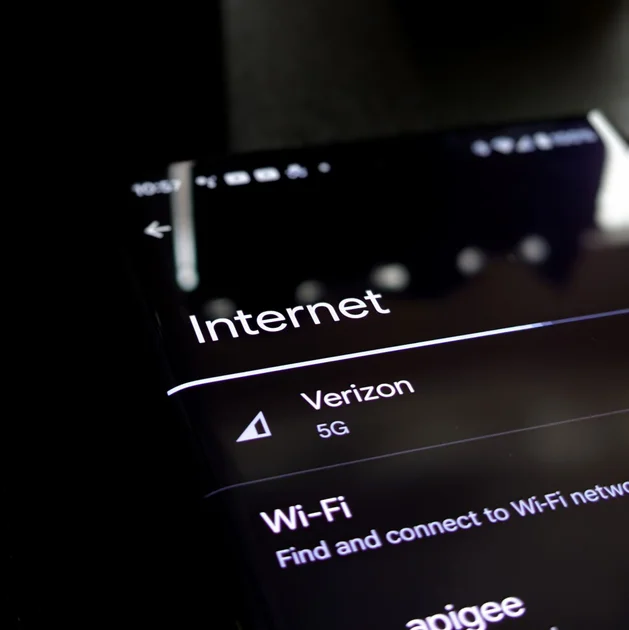
Let’s talk numbers because the speed difference is absolutely wild. While 4G was cool for checking emails and posting stories, 5G is built for the era of 8K streaming and real-time cloud gaming. In 2026, we are seeing peak download speeds that hit multiple gigabits per second, which means you can download a full-length movie in the time it takes to grab a coffee. More importantly, the latency has dropped to near-instant levels, often reaching under 5 milliseconds. This is the holy grail for competitive mobile gaming where even a tiny stutter can cost you the match, making 5G the new standard for anyone serious about their hardware performance.
Why Latency Matters More Than Speed
While everyone obsesses over download speeds, the real MVP of 5G is the drop in latency. Imagine you are playing a cloud-based game or using a remote surgery robot; you need that input to register immediately. High latency creates that annoying laggy feeling where your character moves a second after you press the button. With 5G, the communication between your device and the server is so fast it feels local. This reliability is what makes immersive tech like AR and VR actually usable outside of a controlled lab setting, allowing for seamless digital overlays that respond to your movements in real-time without making you feel motion sick or frustrated.
Comparison Table / Specifications Table
| Feature | 4G LTE | 5G NR (2026) | Notes |
|---|---|---|---|
| Max Speed | 100 Mbps | 10 Gbps+ | 5G is significantly faster. |
| Latency | 30-50 ms | 1-5 ms | Crucial for real-time apps. |
| Density | 100k devices/km2 | 1M devices/km2 | Handles crowds better. |
| Energy Efficiency | High power usage | Optimized sleep modes | Better for IoT battery life. |
| Spectrum | Sub-6 GHz | Sub-6 + mmWave | mmWave adds massive capacity. |
| Reliability | Variable | Ultra-reliable (URLLC) | Best for critical tasks. |
Reddit & Expert Community Consensus
“Honestly, if you are still rocking a 4G-only device in 2026, you are basically living in the past. The difference in responsiveness when you are in a dense city center is night and day. I switched to a 5G-enabled home router last year, and my ping in Valorant dropped by like 20ms consistently. It’s not just marketing hype; the technical architecture behind 5G is genuinely a massive leap forward for mobile computing.” — u/TechGuru_2026 on r/technology
Impact on IoT and Smart Cities
Beyond just your phone, 5G is the backbone of the Internet of Things (IoT) revolution. In 2026, we are seeing smart cities where traffic lights adjust in real-time based on actual vehicle flow, and waste management systems alert trucks only when bins are full. This level of efficiency is only possible because 5G can handle a massive density of connected devices without breaking a sweat. In the past, having too many devices on one network would cause a total bottleneck, but 5G is designed to keep millions of sensors, cameras, and appliances connected simultaneously. It is basically the nervous system of modern urban life.
For the average person, this means your smart home ecosystem is actually becoming smart. Your lights, security cameras, and thermostat can talk to each other without that annoying lag that used to plague earlier smart home setups. You can check your front door camera from across the world with zero delay, and your appliances can receive instant firmware updates that keep them running smooth. It is all about making the mundane parts of life more automated and reliable, freeing up your mental bandwidth for things that actually matter. It is a major upgrade to the quality of life we have all been waiting for.
Security and Privacy Considerations
With all this connectivity, people are naturally asking about security. It is true that more devices mean more entry points, but 5G was built with security as a priority from the ground up. It uses advanced encryption standards and network isolation to ensure that even if one device is compromised, it is harder for hackers to jump onto the rest of the network. Plus, the transition to software-defined networking allows providers to push security patches much faster than they could with older hardware-based systems. It is basically a more robust digital armor for our personal data, though you should still always use a VPN if you are on public Wi-Fi.
As we move deeper into 2026, the focus is shifting toward zero-trust architecture, where every device has to verify itself continuously. This is a big deal for protecting sensitive info like your banking apps or health records. While no network is 100% unhackable, the protocols baked into 5G represent a significant step forward from the fragmented security models of the past. Just stay smart about the apps you download and the permissions you grant, and you will be fine. Trusting the network is part of the deal, but keeping your own digital hygiene in check is the other half of the equation for total security.
Key Takeaways
- 5G offers speeds up to 100 times faster than 4G, perfect for 8K streaming.
- Latency is reduced to under 5ms, making real-time interaction feel instant.
- Network slicing allows for dedicated lanes for critical data and consumer use.
- The massive device capacity supports the modern smart city and IoT ecosystem.
- Advanced encryption makes 5G the most secure mobile standard to date.
- 5G is essential for the future of AR, VR, and cloud-based gaming experiences.
Frequently Asked Questions
Do I need a new phone for 5G?
Yeah, unfortunately, you cannot just update your old 4G phone to get 5G. You need a device with a specific 5G-compatible modem to access these frequencies. If you are still using a device from a few years ago, it is definitely time for an upgrade.
Does 5G drain my battery faster?
Early 5G chips were kind of power-hungry, but in 2026, the tech has matured a ton. Modern smartphones have much better power management, so you shouldn’t notice a massive difference in your daily battery life compared to using 4G.
Is 5G available everywhere yet?
Coverage is massive in 2026, especially in urban areas and major suburbs. While you might still find some dead zones in super remote areas, the vast majority of populated regions have solid 5G signal now.
Can 5G replace my home Wi-Fi?
Absolutely. Many people are switching to 5G home internet because it is often cheaper and just as fast as traditional fiber, without the need for a technician to come out and drill holes in your walls.
Is 5G radiation dangerous to my health?
There is zero credible scientific evidence that 5G frequencies are harmful to humans. It is non-ionizing radiation, just like the radio waves we have been using for decades, so you can stop worrying about the conspiracy theories.
Conclusion
At the end of the day, 5G is the backbone of our digital future in 2026. It is not just about faster downloads; it is about enabling a world where our devices are as fast and responsive as our thoughts. By cutting down lag and boosting capacity, it is clearing the path for innovations that we are only just starting to imagine. If you haven’t jumped on the 5G train yet, you are missing out on the smoothest experience modern tech has to offer. Keep your gear updated, stay curious, and enjoy the speed.